


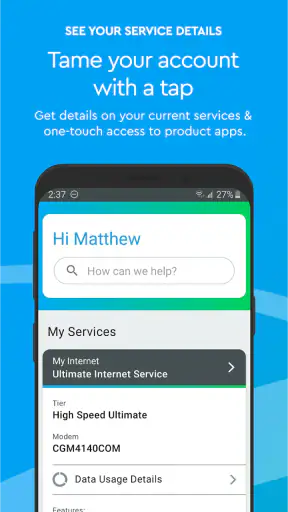
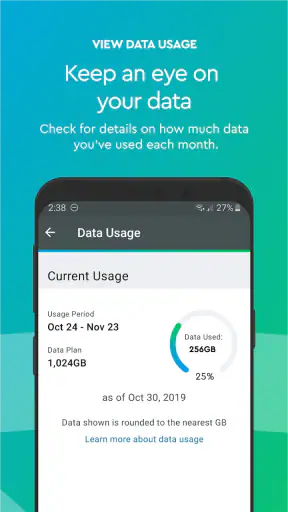
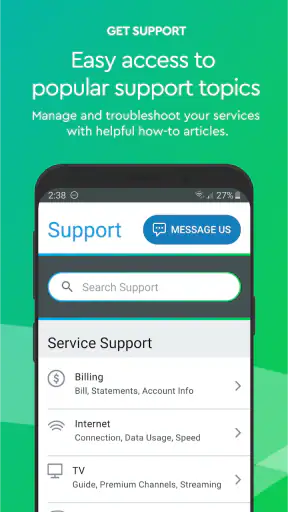
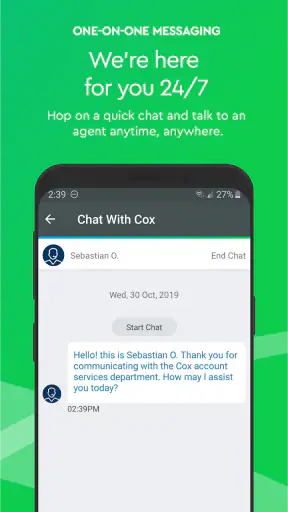
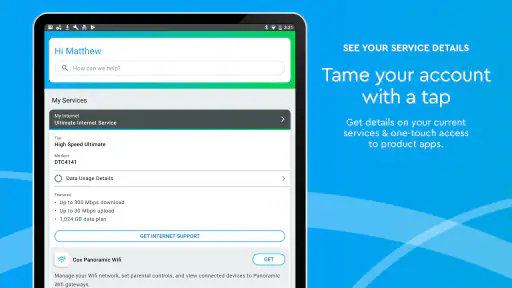
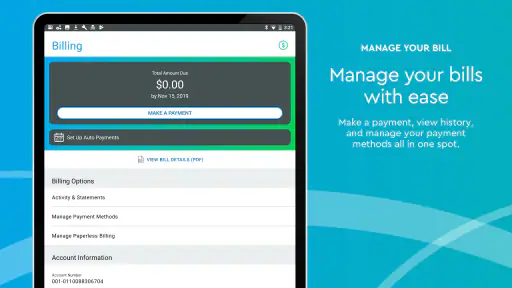
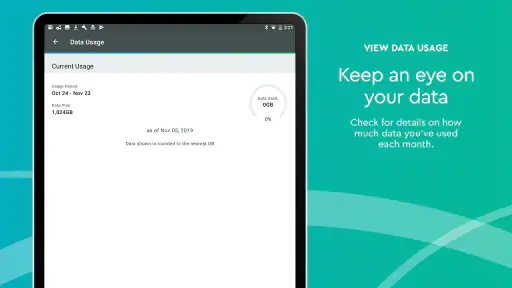
I tend to judge account-management apps by one simple question: do they reduce the number of small tasks I have to remember? Cox is built for that purpose. It gives Cox customers a central dashboard for checking important account and service information, rather than making them piece everything together through separate screens, emails, or a browser.
That sounds modest, but it matters in a busy household. Internet service, billing, support, and account details are rarely urgent until something goes wrong. When a connection drops before a meeting or a bill needs checking quickly, the value of a focused dashboard is less about excitement and more about shortening the path from “something is wrong” to “I know what to do next.”
Where Cox fits in a practical productivity system
Before using the app, my usual workflow for a service account would be scattered. I might search an old email for a bill, open a browser to find the provider’s account page, or try to remember which login belongs to which household service. That approach works eventually, but it creates unnecessary friction and makes routine account care feel like another chore.
Cox is useful because it places the account relationship in one dedicated mobile space. It is a free productivity app from Cox Communications, Inc., and its purpose is narrow enough to be clear: help customers see and manage important service-related information from a dashboard view. I would not treat it as a general task manager or a replacement for a full personal productivity app. Its role is more specific and, for Cox customers, more practical.
The app has been available since February 15, 2011, so it is not a new experiment built around a passing trend. Its current version is 3.69.0.3827, and it supports devices running Android 8.0 or later. On the iOS side, the important decision is simply whether your device can install the current release through the relevant store. In either case, the app makes the most sense when it becomes the first place you check for account context.
I like that distinction because sustainable productivity is usually about reducing repeated decisions. If I already know where to look for service information, I am less likely to postpone a small check until it becomes a larger problem. The app does not need to organize my whole life to be useful; it needs to make Cox-related tasks predictable.
Starting with a clean capture point
The first useful habit is to treat the dashboard as a capture point for anything related to the Cox account. If I receive a service notice, notice an unusual connection problem, or need to review account information, I can begin in the same place instead of opening several unrelated tools. That consistency is more valuable than a long feature list.
I would set up a simple personal rule: whenever the issue concerns the Cox account or service, open the app before searching through messages. This prevents the common mistake of keeping half the information in email, half in browser bookmarks, and the rest in memory. The app becomes the starting point, while email and notes remain supporting tools rather than competing sources of truth.
There is also a useful separation between information and action. A dashboard can help me understand what is happening with the account, but I should still decide what needs follow-up. For example, checking information is one task; contacting support, changing a setting, or discussing a bill with another household member is another. Keeping those steps distinct makes the workflow easier to repeat and less likely to end with a vague feeling that I “looked at it” without resolving anything.
For a shared household, I would use the app during a short weekly check rather than opening it randomly throughout the day. That routine might include reviewing the account dashboard, noting anything that needs attention, and then closing the app. The goal is not constant monitoring. It is a dependable checkpoint that prevents account administration from becoming invisible background stress.
Organizing service information around real situations
The strongest use case is not casual browsing; it is preparation for ordinary moments when accurate account information matters. Imagine that the home connection becomes unreliable while someone is working remotely, another person is streaming, and a child is trying to complete schoolwork. Instead of immediately guessing whether the problem is the router, the wider service, or the account, I would open Cox and use the dashboard as the first reference point.
That first check can improve the next decision even when it does not solve everything immediately. If the account information looks normal, I can move on to troubleshooting the home network. If there is something account-related that needs attention, I am less likely to waste time restarting equipment unnecessarily. The practical benefit is not just convenience; it is avoiding the wrong kind of work.
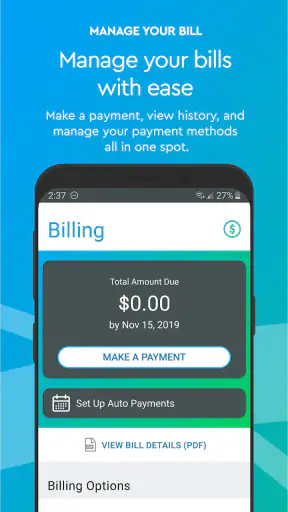
A second useful workflow is billing preparation. I would check the account before a payment deadline or before discussing household expenses, then record only the follow-up details that matter in my preferred notes or calendar system. This keeps the Cox app focused on current account information while my other tools handle reminders and longer-term planning. I would not force the app to become a finance tracker when its better role is providing the source information for that decision.
The same principle applies when moving between locations or devices. If I am helping a family member with the account, I want to begin with the official account view rather than rely on an old screenshot or a message copied several weeks earlier. A current dashboard is more useful than a saved fragment because service information can change, and outdated notes create avoidable confusion.
One non-obvious advantage of this approach is that it reduces “duplicate checking.” Many people look at an email, then a browser page, then an app because they are unsure which view is current. I would choose Cox as the first check and only move elsewhere when the situation clearly requires it. That small rule makes the workflow faster and reduces the mental load of comparing slightly different presentations of the same account.
Building a repeatable routine without overusing the app
A good routine should be short enough to survive a busy week. For Cox, I would create two checkpoints: one quick look when a service or account question appears, and one planned review at a convenient time. The first handles immediate uncertainty. The second catches routine matters before they become interruptions.
The planned review does not need to be elaborate. I would open the dashboard, scan the account information, identify anything that needs action, and write that action in the tool I already use for reminders. Then I would close the app. This “check, decide, record, exit” pattern is important because productivity systems become tiring when every tool demands that I reorganize my entire life inside it.
For people who manage several household responsibilities, the routine can also create a clear handoff. One person can check the account, while another handles the resulting task, such as contacting support or planning a payment. The app does not need to be shared as a project board for this to work. A simple message containing the relevant next step is often enough, provided the person sending it has checked the current account view first.
I would also avoid turning the app into a source of unnecessary alerts or repeated visits. The useful rhythm is based on actual needs: a scheduled check, a service concern, or an account decision. Opening it compulsively will not make the household more productive. In my view, the best setup is deliberately boring. I know when I will use it, what I am looking for, and what happens after I find it.
Its broad adoption figures support the idea that this is a mainstream utility rather than a niche experiment. Cox has more than a million installs, an average rating of 4.5 from around 164 thousand ratings, and roughly 18 thousand written reviews. Those numbers suggest that many customers find value in having a mobile account dashboard, although they do not remove the need to judge whether its focused purpose matches my own needs.
Where the workflow can break down
The biggest limitation is also the app’s defining boundary: it is designed around Cox services. If I do not have a Cox account, there is little reason to install it. If my household uses several providers, Cox can organize the Cox portion, but it will not become a universal control center for every internet, mobile, or household bill. In that situation, a general finance app, password manager, or browser-based system may remain necessary.
I also would not expect a dashboard to replace troubleshooting knowledge. When a connection problem comes from local equipment, Wi-Fi placement, a device, or a temporary network condition, account information may only be the first clue. The app can help me establish context, but I still need a sensible troubleshooting process. Users who want an all-in-one technical diagnostic tool may find the focused account view too limited.
Another possible friction point is the difference between seeing information and completing a complicated task. A mobile dashboard is convenient for quick checks, but detailed account decisions can sometimes feel easier on a larger screen, especially when I need to compare information or explain it to someone else. I would use the app for the initial view and switch to the web or another support channel when the task becomes too involved for a phone.
Login and account identity are also worth considering in a shared home. A person who is not the primary account holder may not have the same access or context as the person who originally opened the service. That is not a reason to dismiss the app, but it does mean the household should agree on who checks the account and how follow-up tasks are communicated. A productivity routine fails when everyone assumes someone else is monitoring it.
The app is rated for Everyone, which makes it approachable as a household utility. Still, an age rating does not automatically make every account workflow equally comfortable for every user. I would be careful about handing over account access casually and would encourage family members to use their own appropriate credentials and established account practices.
Three practical habits that make it more useful
First, use the dashboard as a diagnostic starting line, not as the entire diagnosis. When service feels unreliable, check the account context before changing equipment or blaming a particular device. This simple order of operations can prevent unnecessary resets and helps separate account questions from home-network questions.
Second, create a “single source first” rule. Check Cox before searching email or opening a random saved page. If the dashboard answers the question, stop there. If it does not, record what you already checked before moving to support or a browser. That note gives the next person a cleaner handoff and prevents repeating the same basic steps.
Third, connect account checks to an existing routine rather than inventing a new productivity ritual. A weekly household planning session, a bill-review moment, or a scheduled maintenance check is enough. The app works best when it fits into a routine I already keep, because a separate habit is more likely to disappear during busy periods.
A fourth habit is to separate “information found” from “task completed.” After reviewing the app, I would ask myself what the next action is and where that action belongs. If it is a reminder, put it in the calendar. If it is a question for another household member, send a message. If it is a support issue, prepare the details before contacting support. This prevents the dashboard from becoming a place where open loops accumulate.
Who should adopt Cox, and who should choose something else
I would recommend Cox to customers who want a straightforward mobile window into their account and service information. It is especially suitable for people who regularly manage a household connection, need a quick reference while away from a computer, or want to replace scattered account-checking habits with one predictable starting point.
It is also a good fit for someone who dislikes complicated productivity systems. The app’s value comes from focus, not from asking me to build elaborate categories, projects, or workflows. If my main problem is remembering where Cox-related information lives, a dedicated dashboard is more useful than another general-purpose organizer.
I would be more cautious if I expect a complete replacement for every account-management method. People who manage multiple providers, need extensive financial planning, or prefer detailed desktop administration will probably want to pair it with other tools. A general finance app is better for comparing household expenses across companies, while a browser can be more comfortable for complex account work. Cox should be the focused service layer, not the whole productivity stack.
The free price removes the usual subscription decision, and the Everyone rating makes it easy to consider for ordinary household use. The more important question is whether I am a Cox customer who benefits from quick account visibility. If the answer is yes, the app earns its place by saving small amounts of time repeatedly. If the answer is no, installing it would only add another unused icon.
After using it as part of a broader routine, my view is that Cox succeeds when I keep its job clearly defined. I open it to establish the current state of my Cox account or service, decide what needs attention, and move the follow-up into the right tool or conversation. The best productivity gain is not more screen time; it is fewer uncertain steps.
That makes this a practical recommendation for Cox customers who want a reliable mobile starting point. It will not replace troubleshooting, household planning, or every desktop account task, and I would not pretend it should. But when the alternative is hunting through old messages or guessing which account page is current, a focused dashboard is a meaningful improvement. For that specific job, Cox is simple, sensible, and worth adopting as one small but dependable part of a sustainable routine.


